NWAC + the Future of Forecasting in the US

The Northwest Avalanche Center (NWAC) is leading the charge to simplify and modernize how forecasts are delivered across the nation. Through our technology team Avy, we’re leading a collaborative effort between avalanche centers to build shared digital tools that make avalanche and mountain weather information more accessible, consistent and effective for everyone.

Avy is made up of two products:

  • AvyApp: A mobile app for iOS and Android that delivers avalanche forecasts, weather data, and field observations in a mobile-first format. Built and maintained by NWAC, it’s now used nationwide, giving users quick (+ offline) access to the information they need to make safer decisions in the backcountry. More on how and why NWAC built AvyApp.
  • AvyWeb: AvyWeb is a joint initiative between NWAC, the National Avalanche Center (NAC), the Sierra Avalanche Center (SAC) and the Sawtooth Avalanche Center (SNFAC). AvyWeb is a website platform that allows centers to manage their own sites within a shared system. Each center maintains its unique identity while sharing infrastructure, cross-center content, design improvements and user experience research that strengthen the entire system. 

Why NWAC Is Leading the Effort

NWAC’s technology innovation is a key part of its mission because it broadens the access to backcountry forecasts and education by making them more accessible in multiple modalities.

Almost all of the avalanche centers in the U.S. use a shared tool called the Avalanche Forecast Platform (AFP) that forecasters use to publish forecasts, manage observations and more. The AFP set the stage for what is possible when centers work together.

As one of the largest and most well-resourced AFP centers, NWAC saw an opportunity to take this collaboration further by creating shared user-facing tools. 

Collaboration Over Duplication

Most importantly, having a unified system allows us to leverage technology best practices, design insights and collective data to improve user experience over time. We believe consistency in forecasting products is positive for all backcountry users.  

Historically, every avalanche center managed its own website, rebuilding from scratch every 5-7 years. The approach required staff to be technical experts or to hire technical experts on a limited budget. 

By pooling our efforts, smaller centers gain access to technology they couldn’t support on their own, while NWAC benefits from their feedback and shared investment. The Avy team handles the technology so avalanche center staff can focus on what they’re best at. 

Where We’re At

Both AvyWeb and AvyApp are launched and stable with the stage set for new functionality. As much as new designs and functionality are exciting, we want to move cautiously through building to ensure every dollar spent will be well-used.

AvyApp is in a stable place where we are starting to prioritize new features. There are 15 centers on the app!

With AvyWeb, SAC launched on V1 of the platform in October of 2025. There is a ton of polishing, general development and small features we’re cranking on before forecasting season. We’ll transition to a holiday season of maintenance and bug fixing with a pause on any new features before ramping back up in the new year.

Where We’re Headed

The roadmap is extensive, but here are some of the features worth highlighting, as we wouldn’t be able to accomplish them without the unified platforms. NWAC will be on the new site in the 25/26 season!

AvyApp

  • Improved Observations: forecasters would like observations to include a few more details—like on the web form. We’re working on how to accomplish that while improving the user experience.
  • Map and Navigation UX: polishes some of the navigation and map experience allowing users to navigate between all centers via the map rather than choosing in settings.
  • Push Notifications: we’re considering notifications for a number of scenarios. ie. new forecasts, forecast changes, etc. 

AvyWeb

  • Global content: Like a national dataset of avalanche courses that can display in each center’s website, we’re also planning to standardize a lot of content. For example, rather than each center managing a ‘How to Read the Forecast’ page, we can standardize the content, manage it centrally and display it locally.
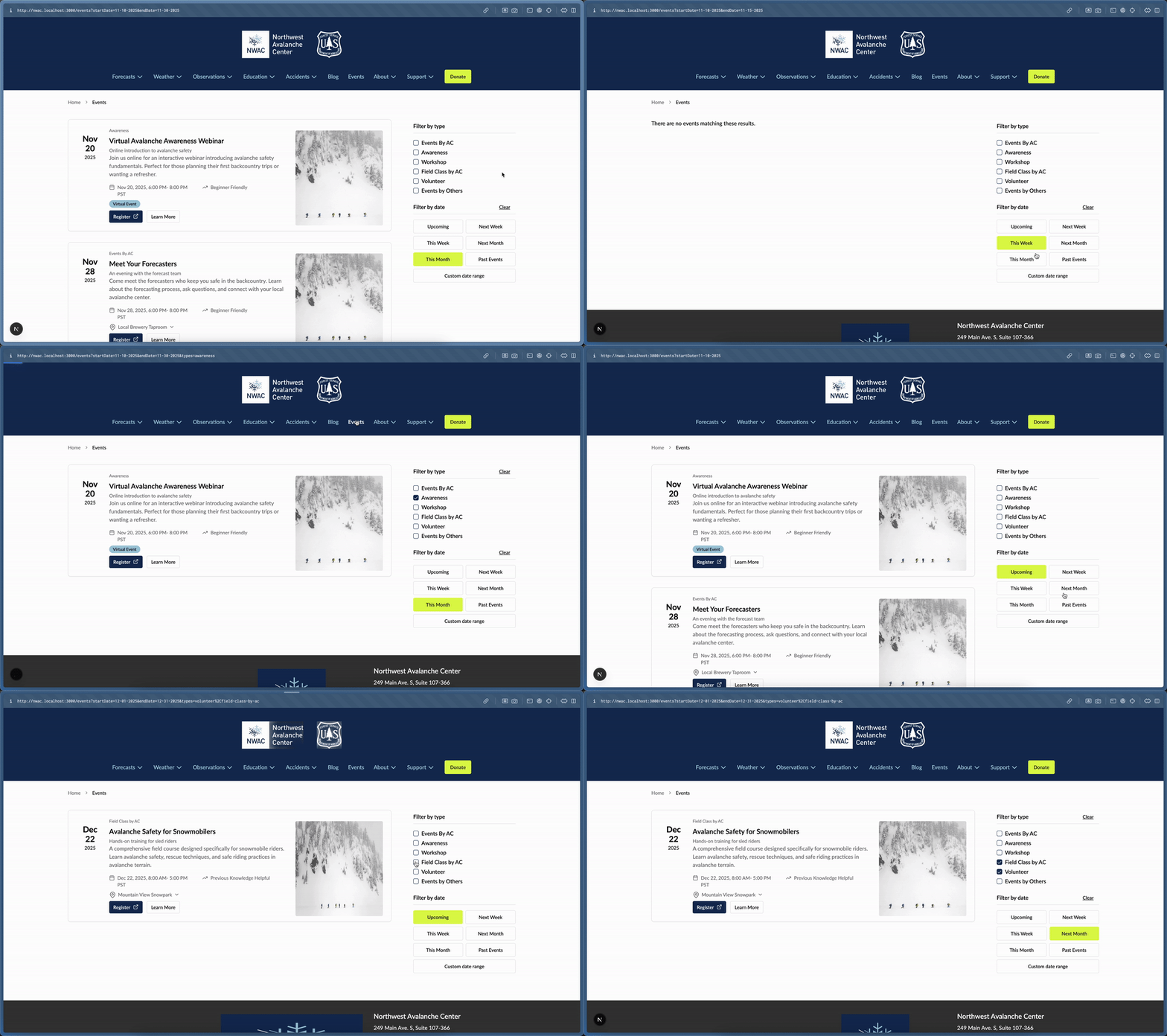
  • Location Based Events: When a center, or avalanche course provider, creates an event it will live in a global collection of data that filters into each centers site based on location parameters.
  • Forecast User Experience: Eventually, we’ll be redesigning the forecast experience. This will require professional input, user research and design. We are asking questions like: how do users navigate to an avalanche forecast? Do users know which zone they are traveling to? Is there a better way to supplement the forecast with observation or weather data and what is the best way to display that? 
  • Integrated Data: Users may be able to interface with their donation history, engagement data, site/app preferences. Eventually we’re interested in knowing where folks go after they read the forecast. We’ve considered asking users to opt into sharing their Strava routes. 

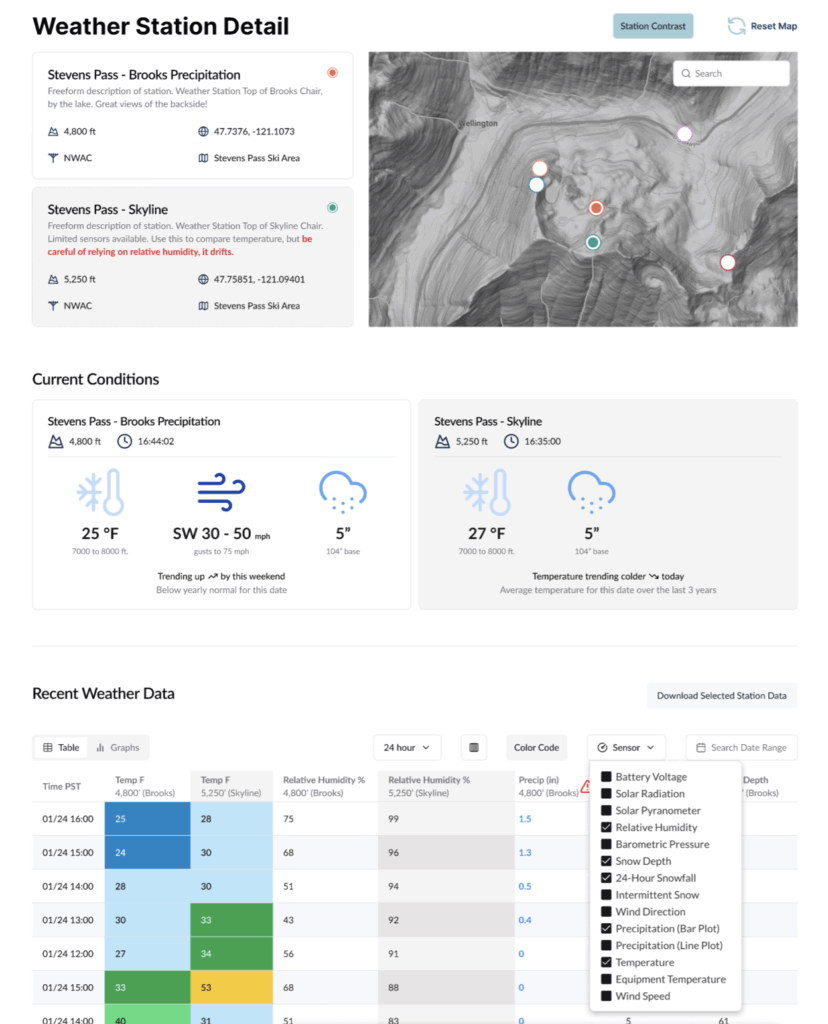
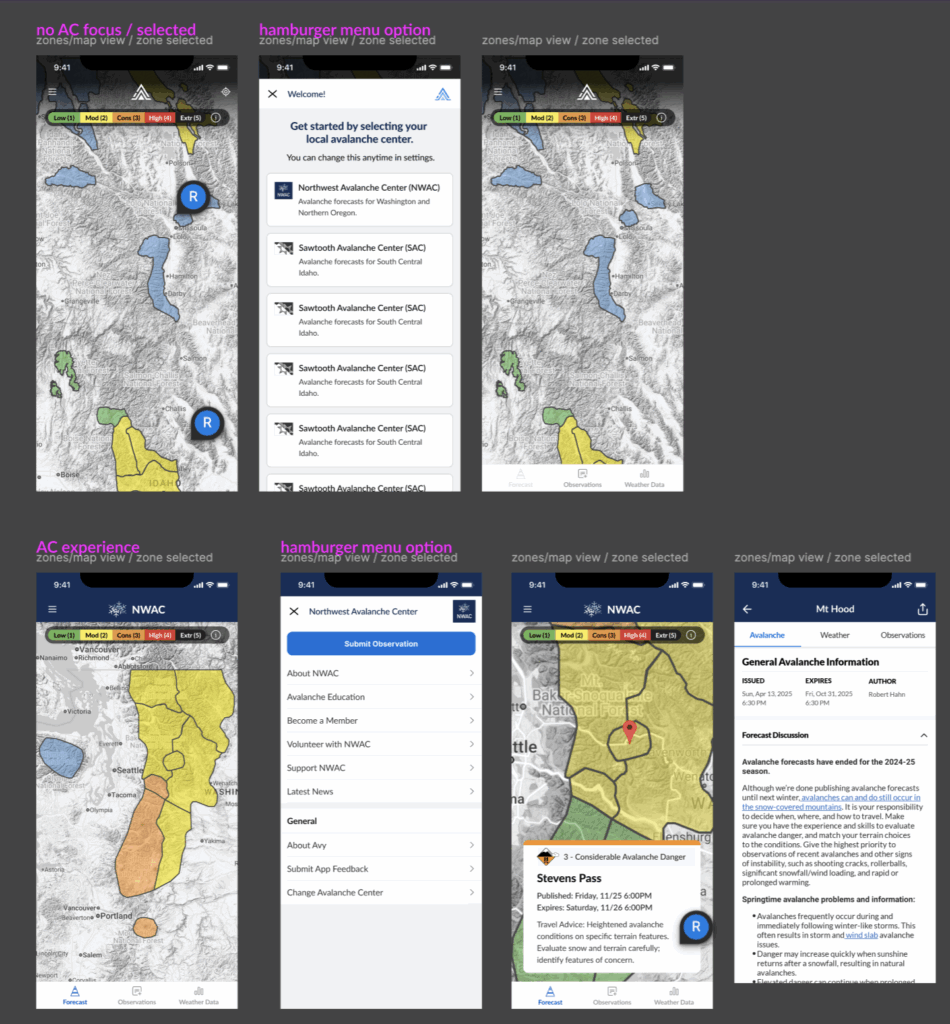
Mockups/work in progress:

Cool Tropical Pacific & Warm North Pacific Waters: How will the PNW snowpack respond?

In the winter of 2024–25, we learned firsthand that a weak La Niña doesn’t necessarily deliver the cool and wet conditions that fuel the deep, mid-winter snowpacks we all hope for. 

Before diving into this year’s outlook—how it compares, and what other predictors might carry weight—let’s revisit the El Niño–Southern Oscillation (ENSO), the cyclical fluctuation in tropical Pacific sea surface temperatures that shapes global weather patterns. ENSO cycles through three distinct phases: El Niño (warm), La Niña (cool), and Neutral conditions. So how do the October forecasts for mid-winter ENSO probabilities compare between this upcoming cool season and the most recent one? The distributions are strikingly similar, with only a subtle weakening of the La Niña signal for 2025–26. Both forecasts suggest the highest odds for cool-phase conditions during autumn and early winter.

(more…)

50 Years of NWAC: Celebrating half a century of history

Honoring a Legacy of Avalanche Forecasting in the Pacific Northwest

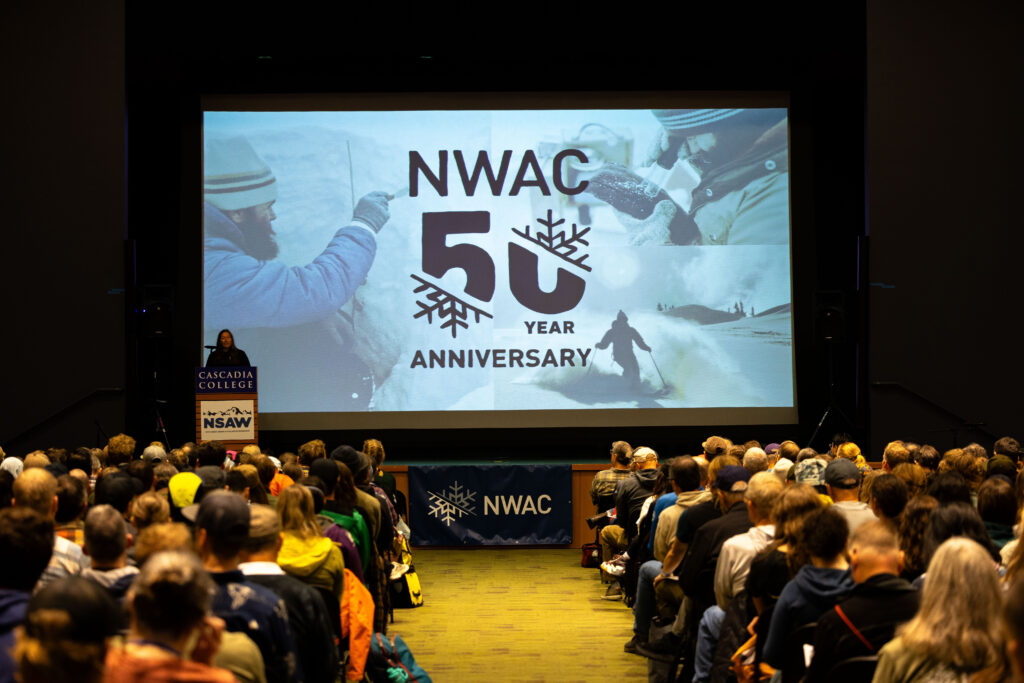
The 2025-26 season marks a tremendous milestone for the Northwest Avalanche Center—50 years of operation—serving the Pacific Northwest with science-based avalanche forecasting, community-centered education, and an unshakable dedication to public safety. What began as a handful of passionate scientists working out of the University of Washington has evolved into a nationally respected avalanche center. This is the story of NWAC: how a few visionaries, a mountain of challenges, and some chewing gum and beer cans created one of the most trusted names in mountain weather and avalanche forecasting.

(more…)

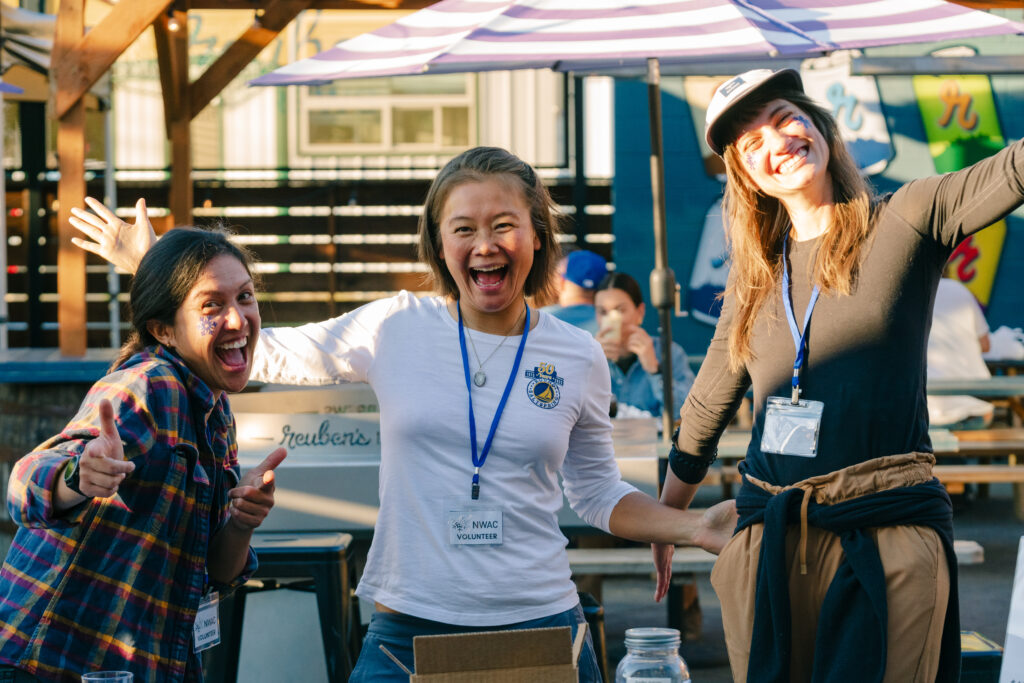
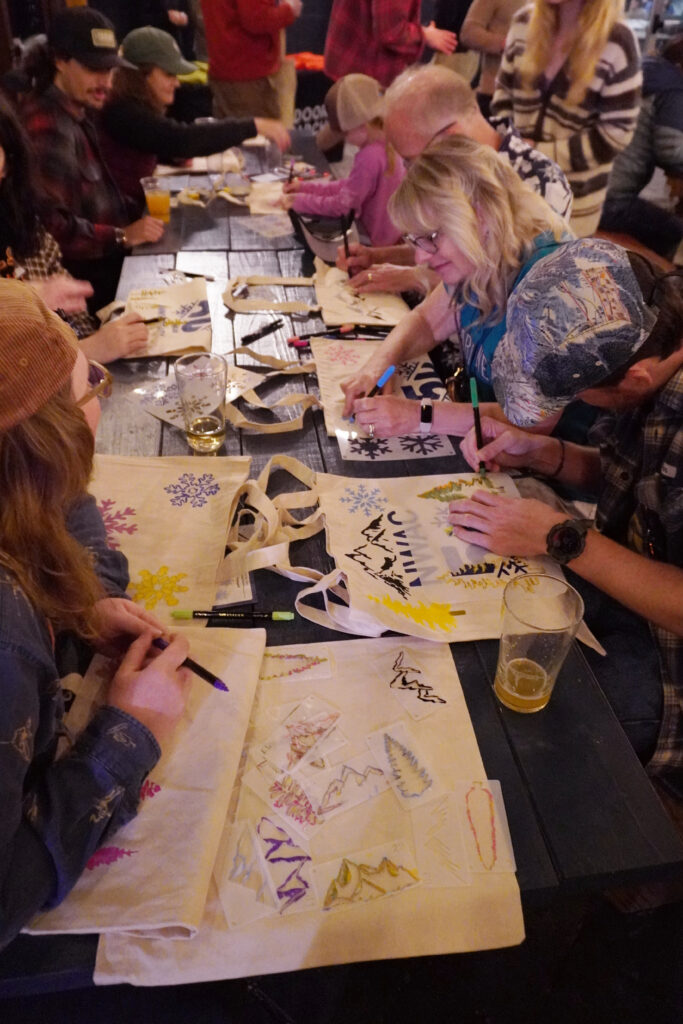
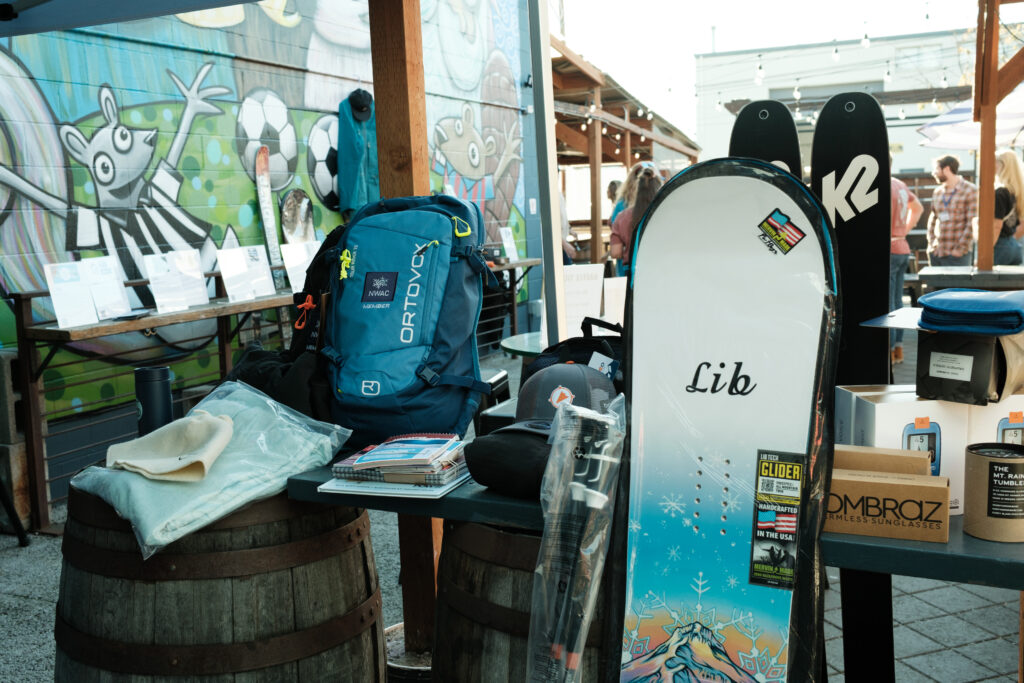
Our Volunteer Give-Back Program is BACK for the third year!

Volunteers are essential to NWAC’s work – providing support at events, Trailhead Outreach, in the office, and on special projects. This program was developed to show our immense gratitude to those who contribute their time and talents to our mission. Through volunteering, you can earn NWAC memberships + membership gear and even a free AIARE Level 1, Level 2, or Rescue course.

(more…)

NWAC’s 2024/25 Annual Report is here!

We are excited to announce that the Northwest Avalanche Center’s 2024/25 Annual Report is now available!

This year’s report captures a season shaped by change and uncertainty, yet defined by resilience, innovation, and the unwavering support of our community. Inside, you’ll find insights on:

• Key achievements from our 49th season
• New technology and weather station innovations
• A financial snapshot and recognition of our dedicated members, volunteers, and sponsors

As we look ahead to our 50th season, we invite you to explore the report and see how your support continues to make a difference for our community.

Thank you for making NWAC’s mission possible and supporting your local avalanche center.

Meet NWAC’s Non-Profit Team: Zoe DeBroux, Volunteer & Communications Coordinator

What brought you to NWAC?

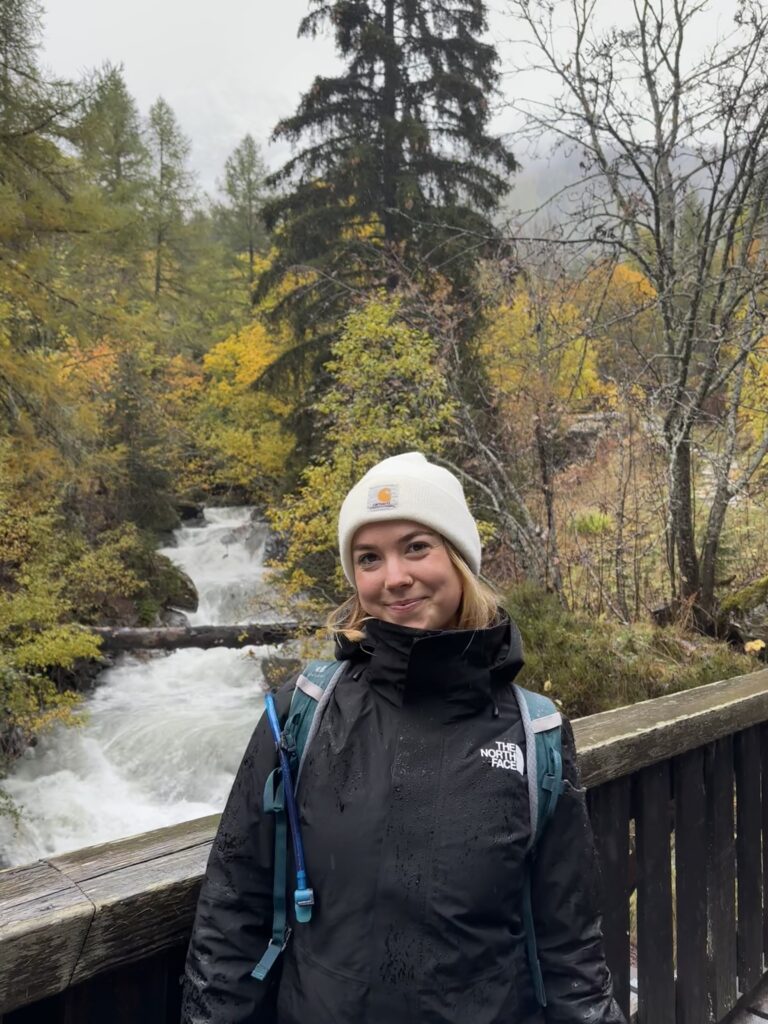
After spending the last two years teaching English and gallivanting around the French Alps, I was ready to come back to my PNW roots and develop my start in the nonprofit and outdoor industry spaces. Excited to apply my communications and marketing background in a new position, NWAC has been the perfect place to combine my passion for mission-driven work with a great community excited about getting into the mountains.

What’s your role at NWAC, and what does a typical day look like for you?  

As the newly appointed Volunteer and Communications Coordinator, I get to wear lots of different hats! I’m especially looking forward to supporting our fantastic network of volunteers, contributing to social media content and strategies, event planning, and helping out wherever possible to support and expand NWAC’s reach to backcountry enthusiasts of all levels and backgrounds.

What’s your favorite place in the NWAC Fx zones to spend time and what do you love about it?

Growing up skiing at Crystal means I’ll always have a soft spot for the West South zone, but I can’t wait to explore our office backyard in the Snoqualmie Pass zone!

What’s one thing you want every backcountry user to know?

The moment you step foot (or ski or board or sled!) into backcountry terrain, you are a backcountry skier/rider/snowshoer/user. Whether your first day on snowshoes or your 100th day skinning up for the season, avalanche safety still applies! Everyone deserves access to the outdoors, regardless of their experience level, but that also means learning about and respecting the mountain conditions, no matter what adventure takes you out there.

What excites you most about the future of NWAC and/or avalanche safety?

I’m so excited to be a part of NWAC’s commitment to making avalanche resources as accessible as possible for anyone stoked about getting into the backcountry. There are a lot of amazing projects in the works, including a new website to centralize avalanche center forecasts from across the country, continuing to build our community of volunteers and members, and developing more programs and opportunities for people of all backgrounds to get involved with NWAC.

Describe a particularly memorable day on snow from this past season. 

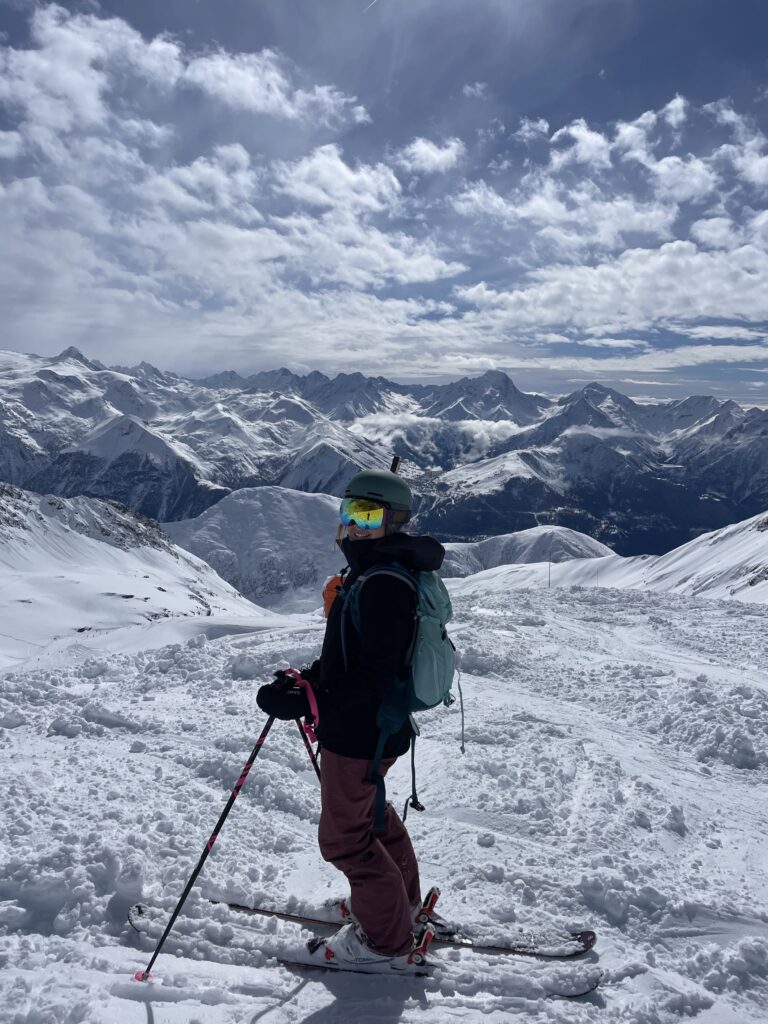
Spending the last couple of winters in the French Alps meant I took full advantage of exploring some really cool terrain. Skiing at Chamonix on a bluebird day surrounded by a cathedral of alpine peaks like I’d never seen before made for one of the most epic ski memories I’ve ever had. I had multiple moments of slowing down just to take in the surroundings, reminding myself of how special it is to be able to connect to nature and the mountains this way!

Meet NWAC’s Non-Profit Team: Cauri Hammer, Development & Communications Manager

What brought you to NWAC?

A desire to be more immersed in the winter backcountry community, combined with motivation for mission-driven work, brought me to my initial role at NWAC. I feel fortunate to have landed in a job where I have the opportunity to utilize a variety of skills, be immersed in community, and tap into creativity at work. I’ve learned so much and met many incredible people through this job. I am grateful to be a part of a talented team of creatives, educators, innovators, and avalanche professionals.

What’s your role at NWAC, and what does a typical day look like for you?  

My role recently shifted from Membership & Communications Coordinator to Development & Communications Manager…same realm but with a more strategic focus. Our days vary significantly throughout the year due to the seasonal nature of the org, but I’m usually working on a wide range of things—from creating social media and email content and taking photos/videos of forecasters on field days to shipping membership gear, cleaning up our Salesforce CRM, and planning NWAC events.

What’s one NWAC program or initiative you’ve been especially proud to contribute to? 

I have really enjoyed playing a role in NWAC’s voice and communications over the past two seasons. It’s been fun and interesting to create images/videos and tell stories in a way that supports and aligns with NWAC’s mission. The content that our team created over the past two years helped drive the success of fundraising campaigns and NWAC events, which feels really worthwhile. I’m excited to take on a more strategic role in NWAC’s communications next season.

What’s your favorite place in the NWAC Fx zones to spend time and what do you love about it?

I’ve still barely dipped my toes into all of our zones, but I’ve gotten to sample a variety of them over the past two years, from WA Pass to Crystal backcountry to Hood and more. When I first moved to WA, I lived in the Methow, so the North Cascades have my heart, but I’m also loving the East Central zone as I recently moved to Roslyn and had the opportunity to participate in a hut-based AIARE 2 at the Fortune Peak huts in the Teanaway this past winter!

What’s one thing you want every backcountry user to know?

I want every backcountry user to know that you get to decide how you interact with the backcountry. Whether you’re out for a leisurely stroll, tearin’ it up on a sled, or chasing big lines, you get to choose your style and flavor of getting out there.

What excites you most about the future of NWAC and/or avalanche safety?

I am most excited about the recent evolution of the non-profit team. We’re stoked to bring on an additional team member who will support the non-profit’s work and increase our capacity to support our forecasters and engage with our community. I’m excited to see what we can accomplish with a larger team, more experienced staff (Devon, Liz, and I have worked together for 2 seasons now!), and a continually evolving dynamic.

Describe a particularly memorable day on snow from this past season.

I joined forecaster Payton on a field day this season in Icicle Creek, and it turned into a bit more of an adventure than we anticipated. We spent most of the day hiking with skis on our backs, encountered a whole lot of dirt, wind-scoured surfaces, and dense trees. I have a really funny video of Payton climbing over (and under?) some downed trees saying, “This is what we get paid for!” Avalanche forecasters work hard for the forecasts they create 🙂

Meet NWAC’s Non-Profit Team: Rusty Rustigian, Product Manager

What brought you to NWAC?

I couldn’t get a job in 2010 when I moved to Seattle so I started volunteering for NWAC. There were only 2 nonprofit staff at the time and they eventually created a position for me. After 5 years I moved to Bozeman, MT and did a number of jobs in both nonprofit and tech. 9 years later, I was helping NWAC solve for a new website initiative which led to my return.

What’s your role at NWAC, and what does a typical day look like for you?

Product Manager – I manage our mobile app (Avy) and a new collaborative website build between avalanche centers across the country. Basically we’re building a condo complex for avalanche centers rather than building and maintaining our own single-family homes. I spend a lot of time coordinating stakeholders and the design/build team. There are a lot of decisions to make around which features to prioritize within our small organization budget.

What’s one NWAC program or initiative you’ve been especially proud to contribute to?

Currently I’m really proud of all the collaboration and momentum we have behind building these tech products. Rusty x NWAC 1.0: I was really proud of the rebrand we did back in like 2011(?!). The rebrand was followed by a ton of outreach and it felt like we were able to turn NWAC into an organization that people wanted to be a part of.

What’s your favorite place in the NWAC Fx zones to spend time and what do you love about it?

It’s been a minute but the Snoqualmie Pass zone for its hidden gems.

What’s one thing you want every backcountry user to know?

Scott Schell told me 10+ years ago when I was a young chucklehead: Persistent Weak Layers are truly so unpredictable and as uncertainty increases, your terrain choice should become equally conservative. That framing really helped me refrain from trying to outsmart the problem.

What excites you most about the future of NWAC and/or avalanche safety?

Obviously all the tech stuff we’re working on. There’s so much opportunity to streamline not just our forecasting products but all the other content that is redundant center to center. I think it’s the vision and collaboration that particularly lights me up, but the resulting products have so much potential for both the users and the staff behind the scenes.

Describe a particularly memorable day on snow from this past season.

Nowadays it’s just as much about the people, place, and community as it is about sliding on snow. I had a string of visitors in February, and I got to show them some of my favorite spots in some world-class conditions. Sharing that with them and them experiencing why I live where I do felt pretty special.

Meet NWAC’s Non-Profit Team: Devon Schoos, Education, Volunteer, and Outreach Manager

What brought you to NWAC?

A fun and windy path! My education background is in Global Public Health and after college I was living in rural Guatemala doing health and education work. I absolutely loved my time in Guatemala, but the thing I missed most was access to mountain recreation, so when I returned to my home state of Washington in 2018 I wanted to ski and climb as much as possible before I “decided what’s next”. That’s when I learned you can actually make a career out of this whole mountain thing – and that quickly became my path. I worked a variety of guiding and outdoor education jobs before coming to NWAC in 2023. Backcountry skiing and avalanche education is my true passion in the broader outdoor industry and I knew the job at NWAC would be the perfect intersection of that passion and my background in education program management.

What’s your role at NWAC, and what does a typical day look like for you?  

I’m the Education, Volunteer, & Outreach Manager here at the avalanche center. I develop and oversee various education programs, run our Trailhead Outreach program, and work with our awesome instructors and volunteers. When I’m in the office I start my day by updating my coworkers about whatever bad reality tv show I’m watching. After I’m done with that critical work… no two days are the same! I write lesson plans, develop curriculum, train and support instructors and volunteers, set up classes with outside orgs, organize Trailhead Outreach days, apply for grants, help plan events like NSAW and Meet Your Forecaster, and all kinds of other things! It’s interesting, varied, and meaningful work.

What’s one NWAC program or initiative you’ve been especially proud to contribute to? 

Probably our Volunteer Give-Back Program, where volunteers can earn NWAC memberships and free avalanche courses through volunteering. Volunteers are so essential to NWAC’s work – we truly could not do what we do without them. They run the show at fundraising events, connect backcountry users to NWAC resources at Trailhead Outreach events across our region, and help package and ship your membership gifts – among countless other things. I am endlessly appreciative of them and impressed by their passion and commitment to our mission. Offering NWAC memberships and free avalanche courses to our most active volunteers each season not only aligns with our mission, but is a way to show our appreciation for everything they do for our organization.

What’s your favorite place in the NWAC forecast zones to spend time and what do you love about it?

I’ve spent the most time romping around the Snoqualmie Pass zone and have a love for its familiar and rugged terrain. However, I would say I’m most inspired by exploring the Salmon la Sac and Teanaway areas of the East Central zone these days. It’s in my backyard and I love how quiet and wild it is. Many nooks and crannies to be explored.

What’s one thing you want every backcountry user to know?

No matter how much you know, there’s always so much more to learn about snow, avalanches, and travelling in the backcountry. It is truly a lifelong endeavor. I always joke that the more I learn the more questions I have. Stay humble and never say no to a learning opportunity.

What excites you most about the future of NWAC and/or avalanche safety?

Don’t get me started! I looove to daydream about the future of NWAC’s education programs 🙂 Our education ethos is to meet unmet needs in the avalanche education landscape and I feel like we are really leaning into that in a way that I hope will greatly benefit backcountry users in the Pacific Northwest. As we continue to improve long-time programs and build new programs, we’re approaching everything from a place of “what need is this serving?” We’re able to think strategically about which populations we’re serving well, which populations we’re not engaging as well, and how to make strides towards closing that gap. We’ve got some new education programming debuting next season and I’m really excited for what more NWAC can do in the future.

Describe a particularly memorable day on snow from this past season.

I broke my wrist skiing at the end of January (okay fine I wasn’t skiing, I slipped in the parking lot in my ski boots). ANYWAY. I thought it would be a totally cool and fine idea to ski some chill groomers with my wrist in a cast… and it was indeed cool and fine until I got hit by another skier a few runs into the day and broke my pinky finger on the same hand. The orthopedic department hates to see me coming! Not my best days on snow, but certainly memorable ones…

NP staff member Cauri buckles Devon’s boots for her on a team ski day in which Devon’s wrist was still broken 🙂

Meet NWAC’s Non-Profit Team: Liz Daniel, Deputy Executive Director

As the 2025/26 season approaches, we figured it was the perfect time to introduce the incredible team behind NWAC’s non-profit operations. This dedicated group is working hard throughout the summer to expand NWAC’s educational programming, deepen community engagement, and strengthen our fundraising efforts. With fresh energy and big goals, the team is more excited than ever to support and grow our impact in the season ahead.

This week, we’re chatting with Liz Daniel, Deputy Executive Director.

What brought you to NWAC?

When I saw a job opening at NWAC, I was ecstatic about the chance to combine my non-profit development experience with my passion for skiing and the outdoors. I was eager to become more involved in the PNW backcountry community, and I’m so glad my path brought me to NWAC! It’s been a whirlwind of two years, and I’ve met so many incredible people through my job here.

What’s your role at NWAC, and what does a typical day look like for you?  

I’m NWAC’s Deputy Executive Director. I develop our fundraising strategies and event plans, manage the non-profit staff, and work with board members, community members, and stakeholders to ensure NWAC’s longevity and success in our mission. Every day feels pretty different, which keeps me on my toes and learning new skills. Some days I’m drafting grant proposals, some days I’m creating fundraising campaigns, and some days are full of meetings with NWAC’s partners.

What’s one NWAC program or initiative you’ve been especially proud to contribute to? 

I’ve really enjoyed helping shape the Northwest Snow & Avalanche Workshop (NSAW) the past couple of years. When I started at NWAC, we changed the format to interactive breakout sessions rather than a full day of lecture-style workshop. It’s so fun to help find all of the great NSAW speakers and see everyone moving from classroom to classroom throughout the day. The energy and community building at the workshop is top notch!

What’s your favorite place in the NWAC forecast zones to spend time and what do you love about it?

Oooh this is a tough question. I’m really fond of memories at Crystal Mountain in the West South zone (my husband proposed on Mount Crumpit!). But when it comes to spending summertime in the mountains, I’m always awed by the North Cascades in the East North zone. While I’m there, I always make it a priority to stock up on a salted baguette and goat cheese from the Mazama Store for any and all hikes.

What’s one thing you want every backcountry user to know?

It’s okay to not be a hardcore backcountry recreationist, and it doesn’t make you less-than! You don’t have to be chasing huge lines to consider yourself a backcountry skier/boarder/etc. Sometimes with backcountry culture, it feels like you have to be out every weekend, finding the best snow and impressive routes, but it’s totally fine to be a leisure skier! I have to remind myself of this all the time. It’s easy to get caught up in the hype.

What excites you most about the future of NWAC and/or avalanche safety?

I’m excited about all of NWAC’s innovation. It was incredible to be part of the Avy app launch my first year at NWAC, and now we have a huge website rebuild project in the works. I’ve seen the US avalanche centers come together and collaborate more than ever this past year, and I can’t wait to see what we can achieve now that we’re pooling our resources. NWAC innovates like no other – it’s inspiring to be a part of!

Describe a particularly memorable day on snow from this past season.

I love a team ski day – especially when it involves glitter. I discovered glitter freckles this season, and that made our NWAC ski day even more memorable. 10/10 highly recommend adding glitter freckles, temporary tattoos, and/or boot charms to your next day on the snow.